
When it comes to traditional Indian cooking, nothing screams “homey goodness” quite like cow ghee. Seriously, it’s that golden liquid magic that makes your dal sing, your parathas dance, and your taste buds throw a little party. But cow ghee isn’t just about flavor—it’s kind of a wonder ingredient that’s been quietly doing its thing for centuries.
A Little History and Why It Matters
Okay, so ghee has been around for ages. We’re talking thousands of years—like, before smartphones or even the concept of Netflix. People have always known it’s more than just butter on steroids. The thing is, not all ghee is created equal. Cow ghee, especially from Gir cows, has this extra-special aura. I once bought regular ghee from a local supermarket, and while it was fine, it didn’t feel alive, if that makes sense. When I switched to authentic Gir cow ghee, it was like my food suddenly remembered it had taste buds.
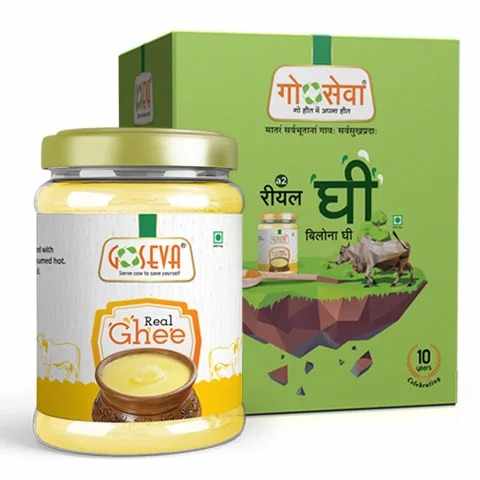
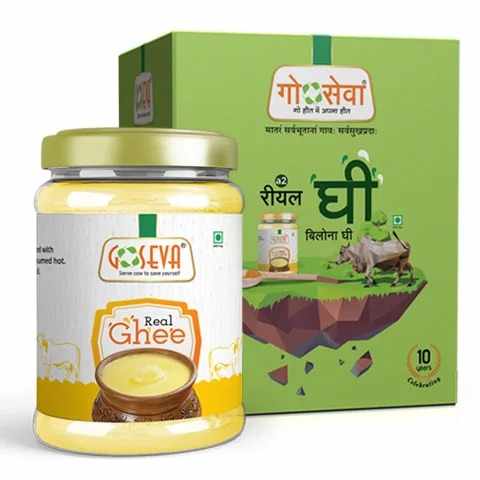
This type of ghee is pure, made from the milk of A2 cows, which some people swear by for being easier to digest. Personally, I think the difference is noticeable, especially if your stomach sometimes throws a tantrum after heavy meals. It’s like your gut finally gets along with your food instead of staging a rebellion.
The Health Angle
Now, before you roll your eyes thinking, “Oh great, another health spiel,” hear me out. Cow ghee isn’t just tasty—it actually does some pretty cool things for your body. It’s loaded with healthy fats, which, yes, are essential for brain function. Think of it as giving your brain a cozy little blanket made of omega-3s and omega-6s.
There’s also a bunch of fat-soluble vitamins—A, D, E, and K. Most of us are deficient in at least one of those, and adding a spoon or two of ghee could actually help fill the gap. I read somewhere (probably between doom-scrolling finance TikToks) that these vitamins are crucial for everything from vision to bone health. So technically, pouring ghee on your food isn’t just indulgence—it’s like sneaky self-care.
Cooking with Ghee: More Than Just Frying
Here’s where the magic really happens. Cow ghee has this amazing ability to elevate almost anything. Frying spices in ghee? Instant aroma explosion. Drizzling it over rice or khichdi? Suddenly, your plain lunch feels like a fancy restaurant dish. I remember the first time I tried it on popcorn—yes, popcorn. It was absurdly good, like the movie theater secretly sent me a gourmet snack.
One thing I love about ghee is that it doesn’t burn easily. Unlike regular butter, you can actually cook at higher temperatures without the smell of smoke filling your kitchen like a fire alarm audition. That alone makes it a hero in my book, because if there’s one thing I hate, it’s ruined food from overheating butter.
The Little-Known Benefits
Here’s a fun tidbit you don’t hear much about: ghee has been used in Ayurveda for centuries not just for eating, but for wellness routines. People have applied it for massage, minor skin issues, and even in some traditional remedies. Some online forums even have folks swearing by ghee for boosting immunity or improving digestion. While I wouldn’t replace your doctor with it, there’s something charming about a food that doubles as a little wellness potion.
Another cool fact—cow ghee has butyric acid. Yeah, it sounds like a chemical experiment, but apparently, it’s good for gut health and may help reduce inflammation. So basically, your food is giving your digestive system a little high-five every time you eat it.
Social Media Buzz
If you spend any time on Instagram or TikTok, you’ll notice a whole subculture around ghee. People are obsessed with “A2 cow ghee” and show off their morning toast drizzled with the stuff like it’s a masterpiece. Some claim it’s the secret to glowing skin, others swear it fuels their workouts. The online chatter can get a little dramatic, but it’s kind of fun seeing people geek out over something that’s basically butter’s cooler, older cousin.
A Personal Ghee Moment
I’ll admit, I wasn’t always a ghee enthusiast. Growing up, my mom used it sparingly, and I mostly saw it as “extra fat.” But one evening, I decided to make dal with a generous dollop of cow ghee from a friend’s farm. The aroma hit me before I even sat down to eat. I can still remember thinking, “Okay, this is what cooking feels like when it’s actually worth it.” From that day on, I keep a jar handy, not just for meals, but for those little culinary experiments where flavor trumps convenience.
Choosing the Right Ghee
Not all ghee is created equal, and honestly, that can be a bit confusing. Look for authentic Gir cow ghee made from A2 milk. It might cost a little more than the supermarket stuff, but the flavor, health benefits, and sheer satisfaction are worth it. Plus, it lasts longer, so your investment isn’t going to waste. Think of it as buying quality shoes—you could get cheaper ones, but you’ll feel the difference immediately.
The Verdict
At the end of the day, cow ghee is more than just a cooking fat. It’s a flavor booster, a wellness companion, and a little reminder of culinary traditions that have survived for centuries. Whether you’re drizzling it over your morning paratha, adding it to desserts, or just indulging in a spoonful straight from the jar (don’t judge me), it’s a small luxury that pays off in taste, aroma, and maybe even health.


Write a comment ...