
If you grew up in an Indian household, chances are your kitchen smelled faintly of ghee at all times. That golden, nutty, slightly sweet aroma that hits you like a warm hug — yeah, that one. But cow ghee isn’t just about nostalgia or fancy-smelling kitchens; it’s slowly becoming a superstar in health circles, wellness blogs, and even on Instagram reels of people pretending to be “wellness gurus” (you know the type). If you’re curious, here’s why cow ghee, especially the pure A2 Gir cow ghee, might just deserve a regular spot in your pantry.
Cow Ghee vs Regular Butter: What’s the Big Deal?
So, butter and ghee are cousins, but they’re not identical twins. Ghee is basically butter that’s been cooked longer to remove water and milk solids, leaving behind this golden, silky fat that lasts forever without refrigeration. And here’s the kicker — cow ghee, particularly from A2 milk cows like the Gir breed, contains A2 beta-casein protein. Basically, it’s easier on the tummy than regular milk fats. I remember trying regular ghee once after a heavy meal and instantly regretting it. A friend recommended switching to A2 Gir cow ghee, and my digestion didn’t hate me the next day.
It’s not just me, either. Social media chatter shows more people sharing their “morning spoon of ghee” routines as a health hack. You’ve got TikTokers claiming it boosts energy, Instagram moms swearing by its digestive benefits, and Reddit threads where users debate whether cow ghee is the ultimate “brain food.” Spoiler: it might just be.
Health Benefits You Didn’t Know About
I’ll admit, when I first read about ghee being good for heart health, I raised an eyebrow. Butter, oil — aren’t all fats evil? But cow ghee is different. The A2 kind contains conjugated linoleic acid (CLA), which some studies suggest can help reduce body fat. And then there’s butyric acid, which sounds like something out of a chemistry class but is amazing for your gut. People have reported fewer bloating episodes after switching to pure cow ghee in their cooking.
Another surprising benefit? Mental clarity. Yes, really. There’s a reason Ayurveda has been praising ghee for centuries. It’s believed to nourish the nervous system, improve memory, and help with focus. I tried this “ghee before bed” routine once because a friend said it would help with sleep. I don’t know if I dreamt more vividly or just imagined it, but I slept better — and honestly, that counts for something.
Cooking with Cow Ghee: Tips and Tricks
Cooking with cow ghee is almost like having a cheat code for your kitchen. First, it has a high smoke point, meaning it’s perfect for frying or sautéing without turning into some burnt disaster. I once tried frying eggs in coconut oil, and let’s just say, the cleanup was a nightmare. Ghee? Smooth and golden, no mess, pure magic.
Second, it adds a flavor punch. Think of it as the culinary equivalent of upgrading from standard earbuds to Bose headphones. You put a dab in your dal or drizzle it over steamed veggies, and suddenly, it’s gourmet-level comfort food.
And here’s a fun trick: a spoon of ghee in your morning coffee or tea. I know, I know — sounds weird. But it gives a subtle creamy richness without overpowering the taste. Some people call it “bulletproof coffee vibes, Indian style.”
How to Choose the Right Cow Ghee
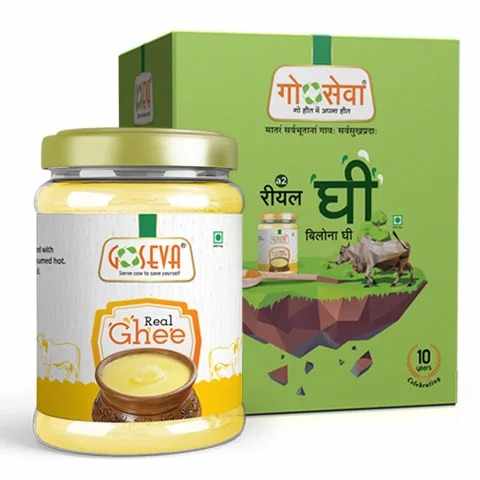
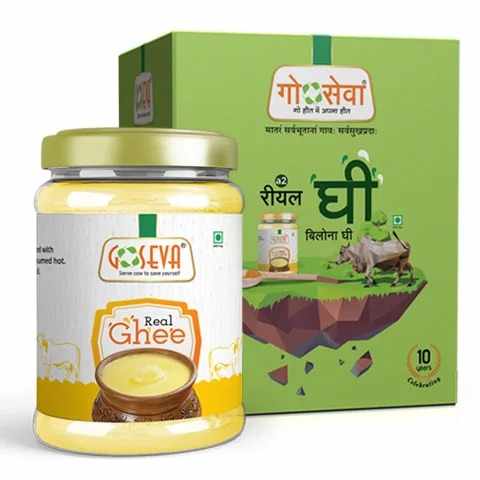
Not all ghee is created equal. A lot of “supermarket ghee” is actually a blend or uses cow milk that doesn’t have that A2 protein magic. If you want the real deal, stick to authentic A2 Gir cow ghee. It’s made from milk sourced from Gir cows, known for their gentle temperament and milk with a perfect fat-protein balance.
I once bought some cheap ghee thinking, “Eh, all ghee is ghee, right?” Nope. The taste was off, and it just didn’t feel… wholesome. Moral of the story: paying a bit more for authentic cow ghee is worth it. Your taste buds — and your gut — will thank you.
Cow Ghee in Modern Wellness Trends
It’s funny how something that’s been around for centuries is suddenly “trending” on wellness apps and influencer feeds. But there’s a reason: cow ghee fits neatly into keto, paleo, and Ayurvedic diets. People are using it as a natural moisturizer, hair mask, or even a beauty booster. One friend swore by rubbing a little on her lips at night — she claimed it was better than any lip balm she’d ever tried. I tried it too. Not life-changing, but definitely a softer pout.
There’s even a small but growing online community that treats ghee like a lifestyle staple rather than just a cooking fat. You’ll find TikToks and Instagram reels of morning routines that involve a spoonful of ghee, meditation, and some turmeric latte action. It’s a little extra, sure, but there’s a charm in how traditional wisdom meets modern self-care trends.
Wrapping It Up: Why Cow Ghee is More Than Just a Fat
Honestly, cow ghee is like that quiet, dependable friend you didn’t appreciate until adulthood. It’s versatile, it lasts forever, and it has hidden benefits that make you wonder why you ever underestimated it. Whether you’re cooking a family dinner, boosting your gut health, or just experimenting with ancient wellness hacks, a jar of A2 Gir cow ghee can be your secret weapon.


Write a comment ...