
If you’ve been scrolling Instagram or just eavesdropping in your mom’s WhatsApp groups, you’ve probably heard about a2 cow ghee. Honestly, it feels like suddenly everyone’s a ghee connoisseur. But there’s a good reason for the hype. A2 cow ghee isn’t just a fancy kitchen upgrade; it’s kind of like that friend who’s quietly healthy but also makes everything taste better.
Now, I’m not going to throw a bunch of scientific jargon at you. Let’s keep it simple: most of the ghee we grew up eating comes from regular cows, which produce A1 proteins. Some studies suggest that A1 proteins can be a little harder on digestion for some people. A2 cow ghee, on the other hand, comes from Gir cows (yep, the regal, long-eared beauties from India) and only has A2 proteins. In plain English, it’s easier on your tummy, and many people report feeling lighter and more energetic after switching.
The Taste That Makes You a Convert
Here’s the thing—switching to a2 cow ghee isn’t just about health; it’s about taste. I remember the first time I tried it. I was skeptical because, honestly, how different could ghee really taste? But wow—there’s a richness, a nuttiness that regular ghee just doesn’t have. It’s like the difference between instant coffee and a cup brewed with freshly ground beans. Suddenly, your dal tastes like it belongs in a five-star restaurant rather than a hurried weeknight meal.
People online rave about it too. TikTok videos show everything from “ghee in my morning coffee” to “spoonful before breakfast,” and Twitter threads have debates about which local brands have the purest version. You kind of get sucked into this little foodie-ghee rabbit hole, and honestly, I don’t hate it.
Why It’s More Than Just Food
Here’s a fun nugget I learned: in Ayurveda, ghee isn’t just food; it’s medicine. A2 cow ghee is considered even more potent because of its purity. It’s used for everything from boosting immunity to improving digestion and even helping with memory. You might roll your eyes, thinking it’s all mumbo jumbo, but there’s some truth in there. It’s high in butyric acid, which is basically food for your gut. Think of it like giving your digestive system a cozy blanket on a cold night.
And yes, I know it sounds a little woo-woo, but some of my friends swear by it. One friend even told me she uses a2 cow ghee as a face moisturizer. Me? I stuck to my morning parathas, but hey, to each their own.
How to Spot the Real Deal
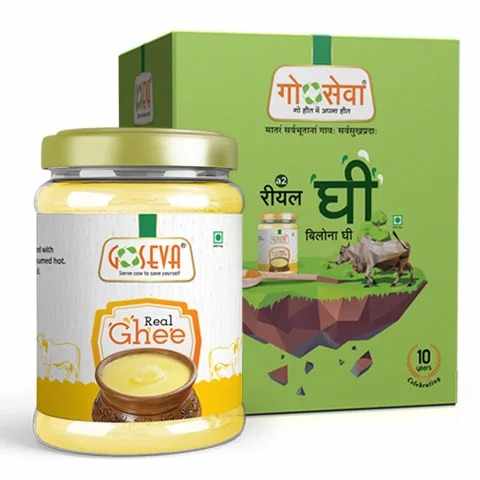
Not all ghee is created equal. Honestly, the market is flooded with options, and some of them are, let’s say, “less authentic.” So, how do you know if you’re getting real A2 ghee? First, check the source. Gir cows are the gold standard here, and brands that source directly from trusted farms tend to be reliable. Second, it should have a natural, rich aroma and a golden-yellow color. If it’s pale or smells bland, something’s off.
And here’s a tip from my cousin who’s borderline obsessed with ghee: store it in a glass jar, not plastic, and keep it away from heat. It keeps the flavor intact and prevents any funky smells from creeping in.
Daily Rituals That Make a Difference
Switching to a2 cow ghee doesn’t mean overhauling your life. You don’t need to start eating a spoonful straight from the jar (although some people swear by it). Start small: drizzle it over your morning toast, mix it into dal, or even add a tiny spoonful to your coffee. There’s something oddly satisfying about that golden splash melting into your food.
Personally, I like to keep it simple. I cook my eggs in it, toss it into my roasted veggies, and sometimes just take a spoonful in the morning when I need a pick-me-up. It feels indulgent without the guilt.
A2 Cow Ghee and Online Buzz
If you scroll through Facebook groups or Instagram reels, you’ll see people going wild over A2 ghee. There are hashtags, unboxing videos, and even recipe challenges. It’s funny because a few years ago, ghee was just “something grandmas put in halwa.” Now, it’s practically a lifestyle product. The community is surprisingly passionate. People post about switching from A1 to A2 and feeling less bloated, more energetic, or even sleeping better. I haven’t tried the sleep part yet, but I’m curious.
What’s interesting is how the online chatter has almost turned it into a status symbol. There’s this weird flex about knowing the right cow breed, the farm it came from, and the extraction method. It’s part foodie culture, part wellness trend, and part nostalgia for old-school, pure ingredients.
Wrapping It Up Without Making It Sound Like a Sales Pitch
Look, at the end of the day, ghee is ghee, but A2 cow ghee just feels different. It’s like upgrading from a regular mattress to a memory foam one—you didn’t think you needed it, but now you can’t imagine going back. The health benefits, the taste, the slight online cult following—it all adds up.


Write a comment ...