
So, I’ve noticed this weirdly specific thing lately — people are obsessed with Gir Cow Ghee. Like, my mom’s friends are sharing “miracle health tips” on WhatsApp, fitness YouTubers are dropping “desi diet hacks,” and every other food blogger is pouring golden ghee over their rotis like it’s liquid gold. I mean, it kind of is, at least if you get the real deal — not the random plastic-tin stuff from supermarkets, but the traditional, hand-churned Gir Cow Ghee made from A2 milk.
Now, before you roll your eyes thinking this is another “ancient Indian superfood” story — yeah, it kinda is. But the thing is, this one actually holds up.
So, what’s so special about Gir cows anyway?
If you’re picturing just any Indian cow, you’re not wrong — but Gir cows are basically the divas of the desi cattle world. Native to Gujarat, they’ve got these big curvy horns, droopy ears, and a calm face that looks straight out of a spiritual painting. But it’s not the looks that matter — it’s what they produce: A2 milk.
See, most commercial dairy products today come from cows that produce A1 milk, which many studies suggest can be harder to digest and cause bloating for some people. Gir cows, on the other hand, naturally produce A2 milk, which is closer to what our grandparents used to drink. That’s the milk used to make Gir Cow Ghee, and that’s where the magic starts.
Hand-churned, not machine-made — and it actually makes a difference
There’s something poetic about the way this ghee is made. It’s done using the ancient bilona method — basically, curd from A2 milk is hand-churned into butter, and that butter is slowly heated to extract ghee. No shortcuts, no industrial machines humming in the background. Just pure, patient effort.
Why does that matter? Well, because the slow process keeps the nutrients intact — like Omega-3 and 9 fatty acids, vitamins A, D, E, and K, plus a bunch of antioxidants your body will quietly thank you for. Machine-made ghee often skips these subtle qualities because it’s all about volume and speed.
If you’ve ever tasted real Gir cow ghee, you’ll know — it’s richer, has this nutty aroma, and gives a soothing warmth when it melts. It’s the kind of thing that makes even plain rice feel gourmet.
Let’s talk health — because everyone does
Okay, now to the part Instagram wellness coaches love: the health benefits. And yes, most of them aren’t exaggerating. Gir cow ghee genuinely does a lot — from improving digestion to helping your skin glow like you’ve been living in a spa for a week.
It’s full of good fats (yeah, the “good” kind actually exists). These fats help absorb fat-soluble vitamins, keep your joints flexible, and even support heart health when consumed moderately. Plus, it’s great for gut health — Ayurveda has been saying this for thousands of years, and now science seems to be catching up.
It’s not just food — it’s almost ritual
You ever notice how our grandparents treated ghee like some sacred thing? They’d put a drop on every meal, light diyas with it during festivals, even use it as medicine. Back then, it wasn’t just any ghee; it was this pure, unprocessed stuff — like Gir Cow Ghee.
Some people say this ghee has “pranic” energy — basically, it carries life energy that keeps you more grounded and balanced. You might laugh at that, but if you’ve ever eaten food cooked in pure ghee after a long day, you know what they mean. There’s this warmth that isn’t just physical.
But here’s the catch — not all ghee is real Gir Cow Ghee
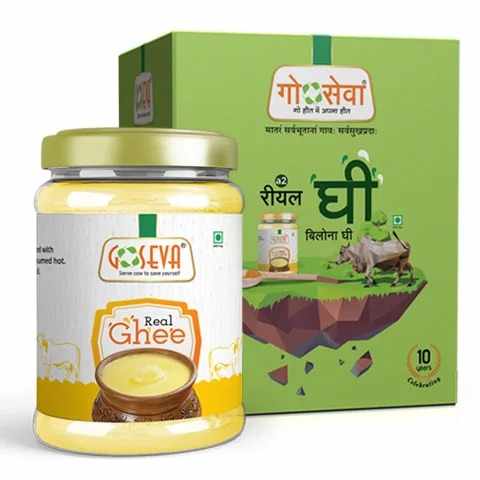
The tricky part is, the market’s full of so-called “A2 ghee” labels that are just marketing stunts. Real Gir Cow Ghee comes from actual Gir cows, and that’s not something every brand can claim. It’s why trusted sources like Gir Cow Ghee are worth checking out. They stick to the traditional bilona method and work directly with farmers — no dilution, no mass production gimmicks.
If you’re paying a bit more for it, that’s actually normal — good ghee isn’t cheap, and it shouldn’t be. I’d honestly rather spend extra on that than some overhyped imported olive oil that promises “Mediterranean magic.”


Write a comment ...