
There’s this whole buzz lately about A2 milk ghee — I swear, every time I scroll through Instagram or open a wellness reel, someone’s stirring golden ghee into coffee or drizzling it on rotis like it’s liquid gold. I used to think ghee was just… ghee. You know, that thing your mom forces you to eat because “it’s good for you.” But then came this fancier, more “pure” cousin — A2 Gir cow ghee — and people started treating it like the holy grail of health.
So, naturally, I fell for the hype and decided to dig deeper (and maybe, okay fine, try it too).
What’s With the ‘A2’ Tag Anyway?
Let’s start with the basics. A2 milk ghee comes from cows that produce A2 beta-casein protein — sounds super scientific, but it basically means the milk is easier to digest compared to the regular A1 milk we’ve all grown up drinking. Gir cows, those beautiful humped desi breeds from Gujarat, are one of the few that produce this A2 milk.
Here’s the thing: our native cows are built differently from the foreign breeds that got popular in India post-80s for their higher milk yield. But quantity doesn’t always mean quality. A1 milk, which most packet milk brands sell, can cause bloating or digestion issues for some people. A2 milk, on the other hand, feels lighter — like your stomach actually thanks you for not abusing it.
And when you make ghee from this kind of milk? That’s where the magic happens.
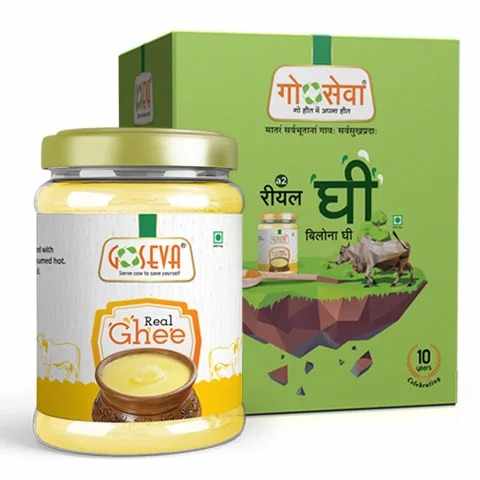
You can even check it out yourself here — A2 milk ghee — from Gir cows that are treated like family, not just milk machines.
It’s Not Just Hype — There’s Real Stuff Behind It
Now, I’m usually skeptical about “superfood” trends. We’ve seen kale, chia seeds, even charcoal water go viral. But A2 Gir cow ghee isn’t new — our grandmothers used it decades before influencers started filming “what I eat in a day” videos.
Apparently, Gir cow ghee contains more omega-3 fatty acids, vitamin A, and CLA (conjugated linoleic acid — which, no, I don’t fully understand but apparently it’s good for your heart and metabolism). It’s also said to have anti-inflammatory properties. Some Ayurvedic texts even call it “Amrit” or nectar, which is a pretty dramatic way of saying “this stuff keeps you healthy.”
What’s interesting is how it’s made — the traditional bilona method. Basically, they churn curd from A2 milk by hand (yes, old-school style), separate the butter, and then slowly heat it to get pure ghee. No chemicals, no shortcuts. The result smells different, tastes richer, and even has this faint nutty aroma that feels nostalgic.
I know, it sounds romanticizing, but honestly, it’s kind of true.
Why People Are Obsessed With It Online
Go on Twitter (or X, whatever it’s called now) and search “A2 ghee,” you’ll find people talking about how switching to it solved their digestion issues, improved skin, even helped them sleep better. I’m not saying it’s a miracle potion, but there’s definitely something about the quality that stands out.
And let’s be real — people love buying into the “traditional but premium” vibe. A jar of A2 Gir cow ghee looks luxurious, feels ethical, and gives that smug sense of doing something good for your health and the planet. It’s the kind of thing that fits perfectly into the modern “organic lifestyle” aesthetic — the same people who buy bamboo toothbrushes and Himalayan pink salt are probably the ones buying this too.
But hey, if it actually works, why not?
My (Slightly Funny) Experience With It
So, the first time I bought a jar of A2 Gir cow ghee, I’ll admit, I was a bit dramatic about it. I opened it like it was some rare perfume — that earthy, buttery smell hit me, and I was already half-convinced it was worth the price. I tried adding a spoon to my morning dal — instantly richer. Then I went overboard and added it to my coffee (because Instagram told me to). Let’s just say, it didn’t go as well. Coffee and ghee aren’t friends, at least not in my world.
But on rotis or rice? Oh man. You taste the difference. It’s smoother, less greasy, and doesn’t leave that heavy feeling afterward. I even noticed my digestion feeling lighter after a few weeks — not placebo-level stuff, but actually noticeable.
A Quick Reality Check (Because Everything Has One)
Now, before you think I’m trying to sell you magic in a jar, there’s a small catch. A2 Gir cow ghee is pricey. Like, a proper jar can easily cost 3–4 times more than your usual store ghee. That’s mainly because it’s made in small batches and from native cows that produce less milk but of higher quality.
So, is it worth it? Depends. If you’re someone who uses ghee occasionally — for topping, cooking, or Ayurvedic reasons — it’s absolutely worth giving a try. But if you use ghee like water (you know who you are), your wallet might not love it as much.
That said, if you value purity and want something that’s actually good for your gut, it’s one of the better investments you can make in your diet. Think of it as buying quality over quantity — like choosing handmade chocolate instead of those waxy bars from the supermarket.
The Bigger Picture — Why Desi Cows Matter
This isn’t just about the ghee, though. When you buy A2 Gir cow ghee, you’re indirectly supporting the survival of our indigenous breeds. These cows are part of India’s natural heritage, and promoting their milk helps small farmers who raise them ethically. Plus, Gir cows are adorable — big eyes, gentle faces, and those iconic humps that make them stand out.


Write a comment ...