
So what’s this whole A2 thing about anyway?
Okay, I’ll be honest. I used to think ghee is just… ghee. You know, that golden stuff our moms used to put on everything from rotis to dal, claiming “it’s good for health.” But then, out of nowhere, everyone started talking about a2 milk ghee like it’s some new superfood discovered on Mars. Turns out, it’s not new at all—it’s actually old-school desi wisdom making a comeback.
The “A2” part refers to a type of protein found in milk—A2 beta-casein. It’s what our native Indian cows, like Gir and Sahiwal, naturally produce. The regular ghee most of us buy at supermarkets comes from crossbred or foreign cows that have both A1 and A2 proteins, and that A1 part is what some studies link to bloating, allergies, or digestive discomfort. Basically, your stomach can tell the difference even if your taste buds can’t.
A2 milk ghee vs the regular supermarket ghee
Here’s a fun way to imagine it. Think of A2 ghee as that friend who shows up with home-cooked food and some herbal tea when you’re sick. Regular ghee? That’s the friend who brings chips and soda and says “you’ll be fine.” Both mean well, but only one helps you actually recover.
The A2 version is made from pure desi cow milk, churned using traditional bilona methods (basically hand-churning curd into butter and then heating it slowly to make ghee). That slow process is where all the magic happens—it keeps the nutrients intact and gives it that rich aroma you can smell from another room.
Most commercial ghee you see online or in stores is made in bulk using cream or butter directly from mixed-breed cows. Faster, cheaper, but it loses the charm. And honestly, half the time it tastes too oily or artificial.
What social media is saying about it
If you spend enough time scrolling through wellness hashtags (guilty), you’ll notice this trend too. People are ditching imported health supplements and going all-in on desi stuff like ghee, jaggery, and millets. Instagram reels are flooded with influencers saying “Just one spoon of A2 ghee every morning changed my skin and digestion.” Sure, it sounds exaggerated—but the science actually backs some of it.
One small study (not a huge one, but still) showed A2 milk may reduce inflammation and help people with lactose intolerance digest better. It’s not magic—it’s just that your gut finds it easier to handle something closer to what our ancestors ate.
The taste test – it’s not just hype
I tried both versions once just to see if it’s all in the head. The A2 ghee melted smoother and didn’t leave that sticky film in the mouth. The flavor was kind of nutty, almost caramel-like, while the regular ghee tasted flat. My mom even said, “This smells like the one we used to make at home 20 years back.” That’s when it hit me—this isn’t a trend. It’s literally nostalgia in a jar.
Little known facts that might surprise you
Here’s one not many know: Gir cow ghee (one of the main sources of authentic A2 ghee) has something called CLA—conjugated linoleic acid—which is linked to fat metabolism. Basically, the more good fats like these you eat (in moderation, duh), the more your body learns to burn bad fats. Wild, right?
Also, according to some Ayurvedic texts, ghee made from desi cow milk helps boost Ojas—aka your body’s energy essence. Now, whether you believe in Ayurveda or not, one thing’s sure—it makes your food taste divine. Drizzle it on hot rice with salt, and you’ll forget about fancy sauces.
The modern dilemma – price vs purity
Now, let’s be real. A2 ghee costs more. Sometimes double. And people often ask, “Is it really worth it?” Here’s how I see it—yeah, you’re paying a bit more, but for something unadulterated. Gir cows produce way less milk compared to hybrid cows, so naturally, the ghee extracted is limited. It’s like buying artisanal coffee instead of instant packets—you’re paying for the authenticity and care behind it.
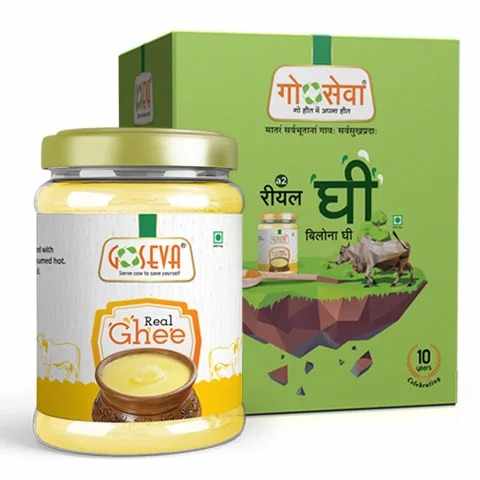
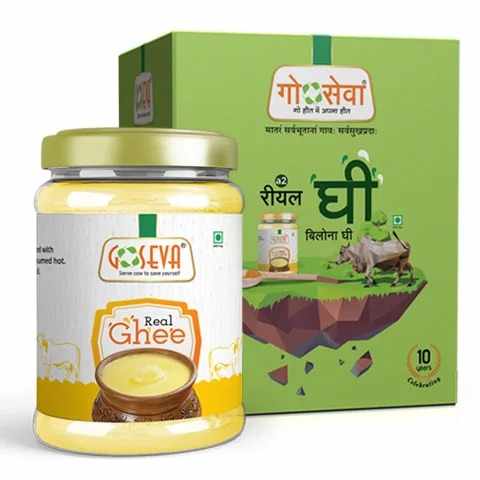
And if you’re buying from places that actually care about the cows, it’s even better. Like, many brands (including the one here: a2 milk ghee) talk about their cows being grass-fed and not treated with hormones. So you’re not just buying ghee—you’re supporting ethical farming too.
How people are using it these days
Funny thing is, ghee isn’t just for parathas anymore. People are using A2 ghee in coffee (yep, “bulletproof coffee” fans, looking at you), for oil pulling, and even in skincare. I’ve seen folks online say it works as a lip balm or hair mask. It’s like the new coconut oil—except with more cultural pride.
Also, when used in cooking, it gives that slow-roasted aroma you just can’t get from refined oils. Try making dal tadka with it once, and you’ll be ruined for life—nothing else will taste the same again.
Final thought
Sometimes I feel like modern wellness trends are just us rediscovering things our grandparents already knew. A2 milk ghee is exactly that—a reminder that maybe the old ways weren’t so outdated after all. Sure, you can call it marketing hype or Instagram’s next fad, but once you actually use it, there’s a weird satisfaction in knowing your food’s both healthy and rooted in something real.


Write a comment ...