
Why Cow Ghee is a Total Game-Changer for Your Kitchen and Body
Let’s be honest — ghee has always had this reputation of being that old-school, grandma-approved fat that somehow never really left our plates, but somehow always felt a bit fancy. I mean, you see it on Instagram reels with captions like “Golden elixir for glowing skin” or “Ayurvedic superfood vibes only.” But beyond the aesthetics, there’s a reason cow ghee is making a comeback, and not just among fitness influencers or holistic healers.
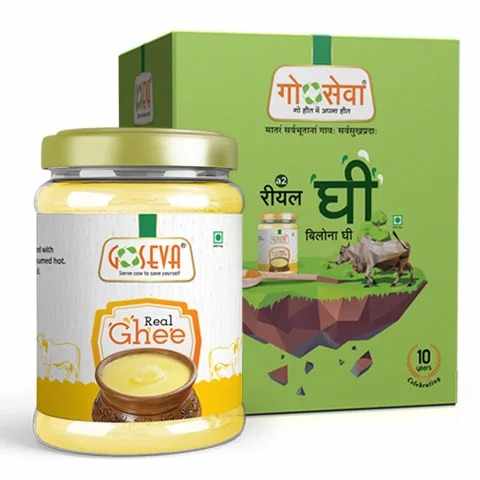
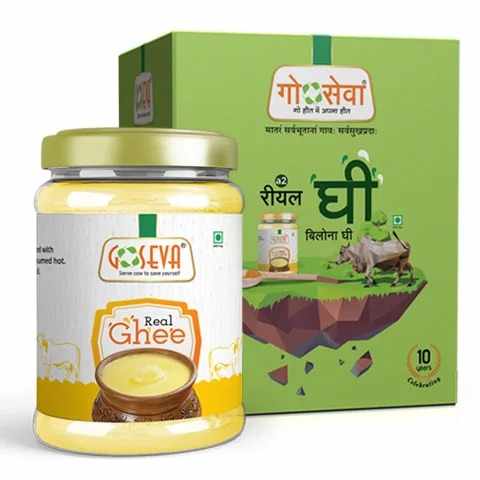
For starters, cow ghee isn’t your average fat. It’s like the VIP pass to healthy fats without the judgmental side-eye other oils get. If you’re wondering where you’ve seen it, here’s the link where you can check out this superstar ingredient: cow ghee. Trust me, it’s worth exploring — especially if you’re trying to upgrade from the same old cooking oil that’s been sitting in your pantry gathering dust.
What Makes Cow Ghee So Special (and Why You Should Care)
Let’s break this down in the simplest way possible. Cow ghee is basically clarified butter, but not just any butter. It’s made by slowly simmering butter until all the water evaporates and the milk solids separate, leaving behind pure golden fat. Sounds fancy? Maybe. But it’s actually something our ancestors have been doing for centuries, way before “clean eating” was a buzzword.
What’s neat is that this fat is loaded with healthy nutrients like omega-3 fatty acids, vitamin A, and butyric acid — yeah, that’s a fancy name but it’s basically the good stuff that helps support gut health. I once read that butyric acid can help reduce inflammation in the gut lining. Not too shabby for something that’s also the perfect vehicle for your morning dal tadka, right?
It’s also lactose-free, which is a relief if milk gives you bloating or discomfort. I’ve had my fair share of stomach mishaps with dairy products, so knowing this makes it easier to incorporate into my diet without second-guessing it.
A Little Science (But Don’t Panic)
Now, if you’re one of those who googles “Is fat bad for you?” every time you hear about something buttery, here’s a fun fact: not all fats are evil. In fact, our body needs fats to absorb essential vitamins like A, D, E, and K. Cow ghee is rich in these fat-soluble vitamins. So, skipping fats altogether might actually do more harm than good.
There’s also this interesting study I stumbled upon (not one of those clickbait “miracle cure” posts) where ghee was shown to support brain function, especially in older adults. Honestly, I wish I’d known this when my parents started talking about “memory issues” last year.
The Social Media Buzz: Everyone’s Talking About It
Scrolling through wellness pages, there’s a whole trend around ghee — from face masks to hair treatments. Some influencers swear by applying it to skin as a natural moisturizer. Others say a teaspoon every morning boosts energy and helps with weight management. While I wouldn’t go as far as trusting all claims blindly (hello, influencer marketing), it’s safe to say ghee is getting the glow-up it deserves.
Even fitness groups on Reddit are debating the merits of ghee versus coconut oil. Some hardcore keto followers say it’s their go-to fat for sustained energy without insulin spikes. Meanwhile, traditional home cooks argue it’s simply unbeatable for flavor and digestibility.
How I First Tried Cow Ghee (A Relatable Moment)
I’ll admit, when I first tried cooking with cow ghee, I was nervous. “What if it’s too heavy or tastes weird?” I thought. But my curiosity got the better of me after reading way too many health forums, and I bought a jar from the same link — cow ghee. The first dish I made was a simple khichdi with ginger, cumin, and turmeric. I barely used more than a spoonful, but the aroma that hit my kitchen was unreal — like warmth and comfort had melted together.
The texture was velvety, and I swear it made the simple dish taste gourmet. My mom, usually skeptical of “health trends,” even asked for seconds!
Common Questions (Because We All Wonder)
Is cow ghee good for weight loss? Well, it’s not magic. Like any fat, too much can add extra calories, but in moderation, it helps keep you full longer, which may stop you from snacking unnecessarily.
Can it help with skin issues? Some swear by its moisturizing properties. Personally, I use it occasionally on dry patches and it’s definitely more soothing than store-bought creams with a dozen chemicals.
Does it taste too rich? That depends on how much you use and how you cook it. A little goes a long way!
Why You Should Try It Now
If you’re someone who’s exploring ways to eat better without going full-on diet mode, cow ghee is a no-brainer addition. It’s versatile, has a mild nutty flavor that complements almost everything, and brings nutritional benefits without making you feel like you’re depriving yourself.
Plus, it’s one of those ingredients that makes you feel like you’re doing something wholesome for your body without having to count every calorie or memorize complicated health charts.
Final Thoughts (Because We All Need Them)
I’m not saying cow ghee is a miracle cure or that it’ll fix all your health issues. But from my experience — and what I’ve read, tried, and seen people say online — it’s definitely worth experimenting with. At the very least, it’ll make your dal, soup, or even popcorn taste way better. At most, it could support your gut, skin, and energy levels without you even noticing.


Write a comment ...